
What’s the Difference Between Acupuncture and Dry Needling?
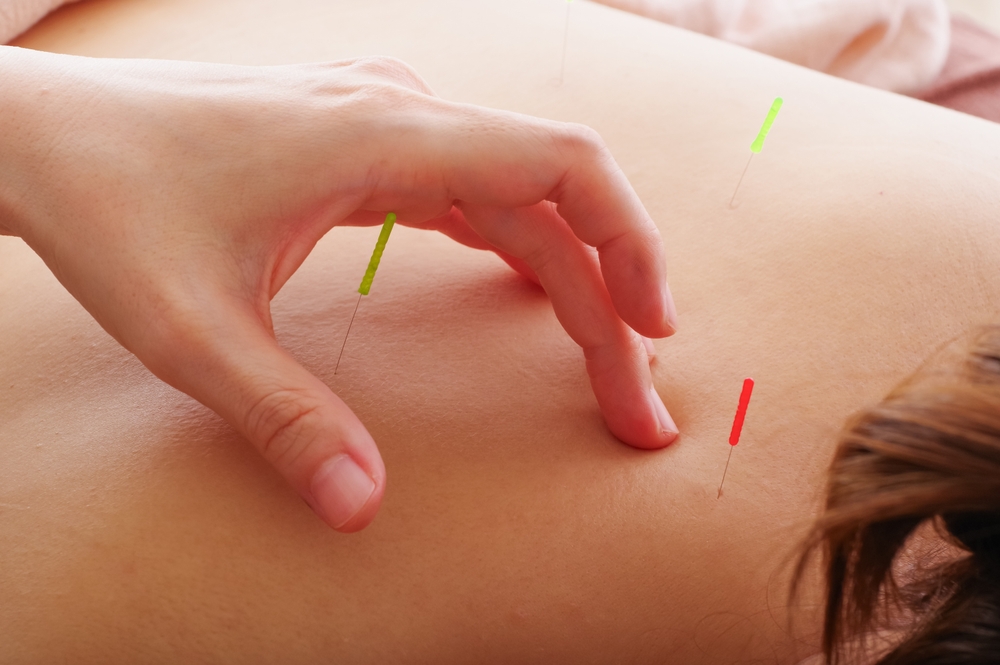
Acupuncture and dry needling both use thin needles. The main difference is how the provider picks the places to treat. Acupuncture uses points on the body chosen for the condition being treated. Dry needling often focuses on sore or tight areas in muscles that may be linked to pain or trouble moving. If you’re seeing a chiropractor in Metairie for muscle pain, ask how they decide if dry needling could help with the way you move.
What Is Acupuncture?
Acupuncture has roots in traditional Chinese medicine. During a visit, the provider asks about your symptoms and chooses places on the body to put thin needles. These spots are called acupuncture points. Some may be near the place that hurts. Others may be farther away. The points can change based on the goal of your visit and the type of acupuncture the provider uses. A person who wants help with back pain may have a different plan from someone who gets migraines.
What Is Dry Needling?
A provider may use dry needling in Metairie to treat a tender spot in a tight muscle. These spots are often called trigger points and may feel like small knots. Pressing on one may bring on pain in that spot or in another area. The provider uses only a thin, solid needle to stimulate the tissue. That’s where the name dry needling comes from. Where the provider puts it depends on what they find during the exam.
Say you have neck pain when you look over your shoulder. A provider can ask when the pain started and see how far you can turn your head. They may also feel the muscles in your neck and shoulder. If a tight muscle seems to play a part, dry needling may be one part of your care. Your plan may also include rehab exercises to help you build strength and move more easily between visits.
Can Both Treatments Use the Same Spot?
The places a provider treats can overlap. An acupuncture provider may use a tender point near a sore shoulder as part of a visit for pain. A clinician who uses dry needling might choose that same spot after checking how your shoulder moves. If you’ve tried either treatment before, tell the provider where you were treated and what changed. That can help them explain the treatment goal for this visit.
What Can the Needles Feel Like?
With either treatment, a provider should use sterile, single-use needles. You may feel a small prick as a needle goes in. During dry needling, a muscle may twitch for a moment when the needle reaches a tender spot. How long the needles stay in can vary with either treatment. Ask the provider to walk you through the visit before you start. Tell them if you feel faint or if you have sharp pain during the session.
What Can Each Treatment Help With?
Studies suggest that acupuncture may help with some types of pain, such as long-term low back pain. It may also help some people have fewer migraines. Research on dry needling points to short-term pain relief for some people with muscle or joint pain. The benefit can vary with the problem and the rest of the care plan. Ask what change you can look for after a visit. That might mean less pain as you turn your head or an easier time reaching a shelf.
What to Tell Your Provider Before a Visit
Share your health history before either treatment. Tell the provider if you are pregnant, have a bleeding problem, or take blood thinners. Bring a list of your medicines so they can check what matters for your care. Tell them if needles have made you feel faint before. Ask who will do the treatment, what training they have, and what to expect afterward. Those details can help you decide with your provider if the treatment is a good fit.
A sore spot, small bruise, or a little bleeding can happen after either treatment. More serious problems are rare, but a needle placed near the chest can puncture a lung. Ask the provider what side effects to watch for based on the area they plan to treat. If you have trouble breathing after needling, seek emergency care right away. For other concerns after the visit, ask how to reach the provider and when they want you to check in.
Ask About Dry Needling at Legacy Chiropractic
If pain makes it hard to turn your head, lift, or get through your usual activities, Legacy Chiropractic can check how you move and talk with you about dry needling. Tell us which tasks bring on pain and what you want to get back to doing. Schedule a visit in Metairie or call (504) 224-4700 to find out if dry needling fits your care plan.